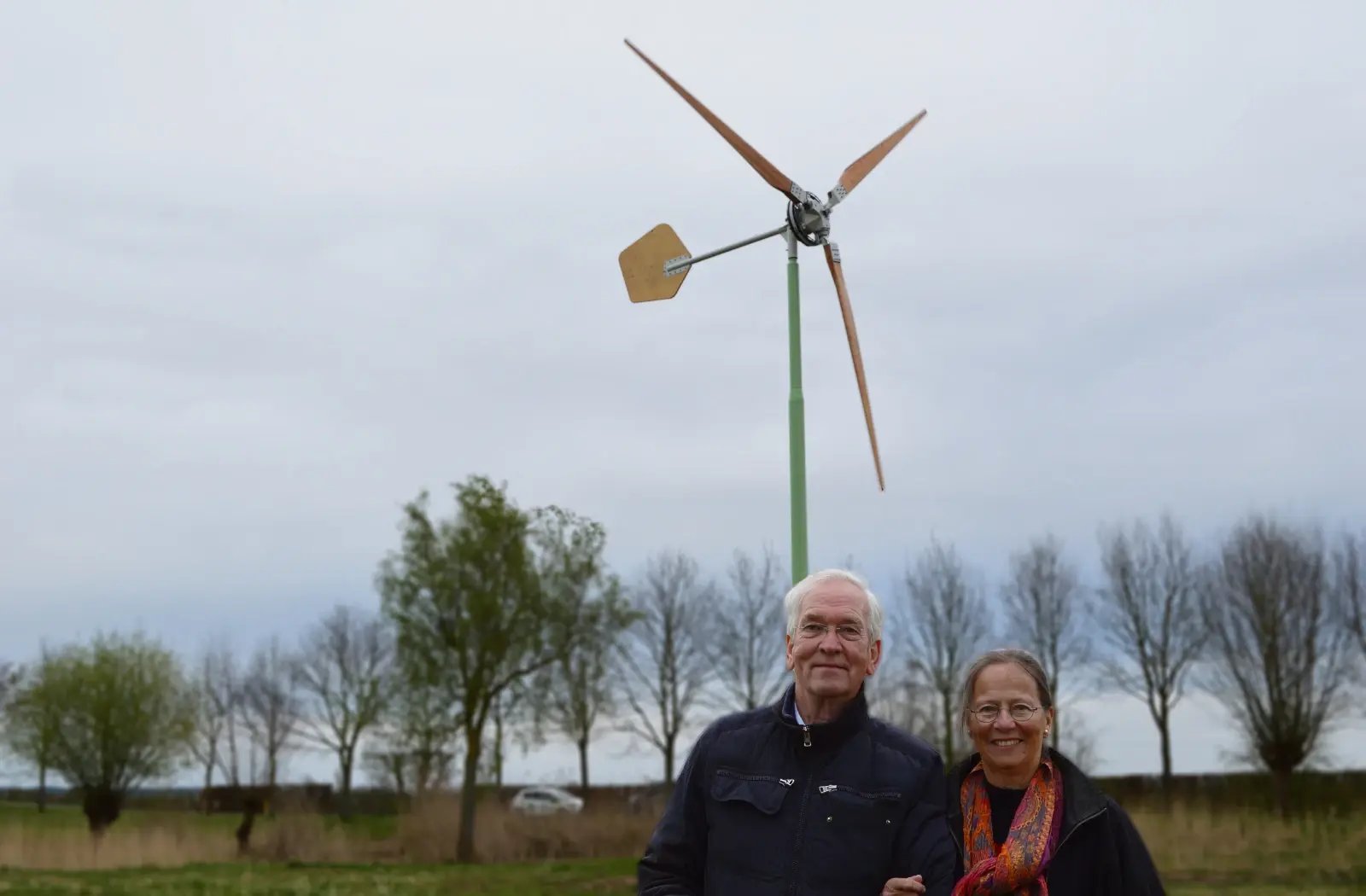
Pier and Jans had a clear ambition: to generate more renewable electricity on their own land and reduce dependence on external energy supply.
Unlike many Ecoways projects, this was not a typical agricultural installation. The turbine would be placed within a historic estate setting, with multiple households and shared site ambitions involved in the wider energy goals.
That created questions around permitting, ecological assessment, landscape fit, technical implementation, and future energy use.
To complicate things further, the project depended on approval steps well beyond the customer’s direct control, including coordination with local and provincial authorities.
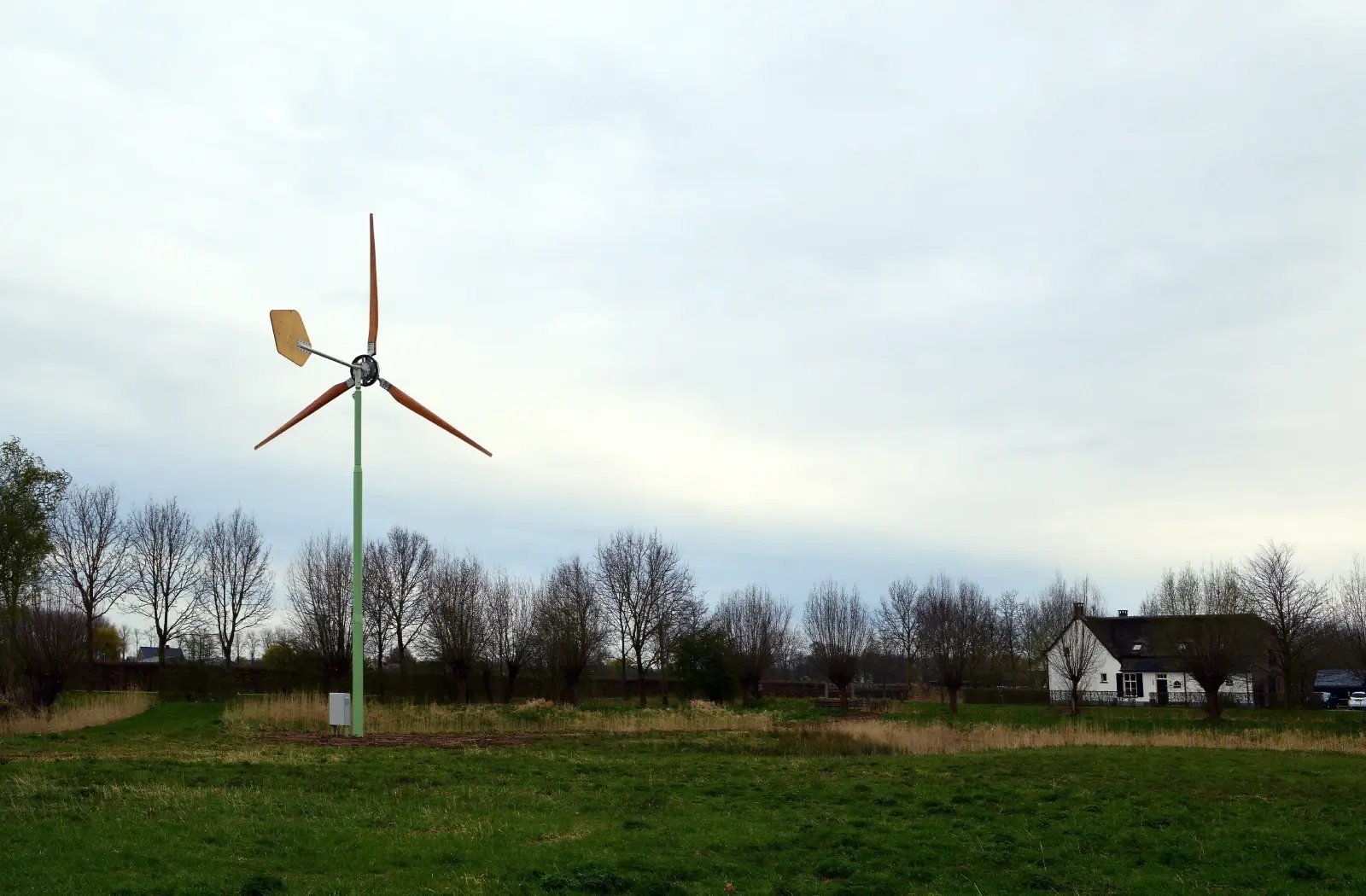
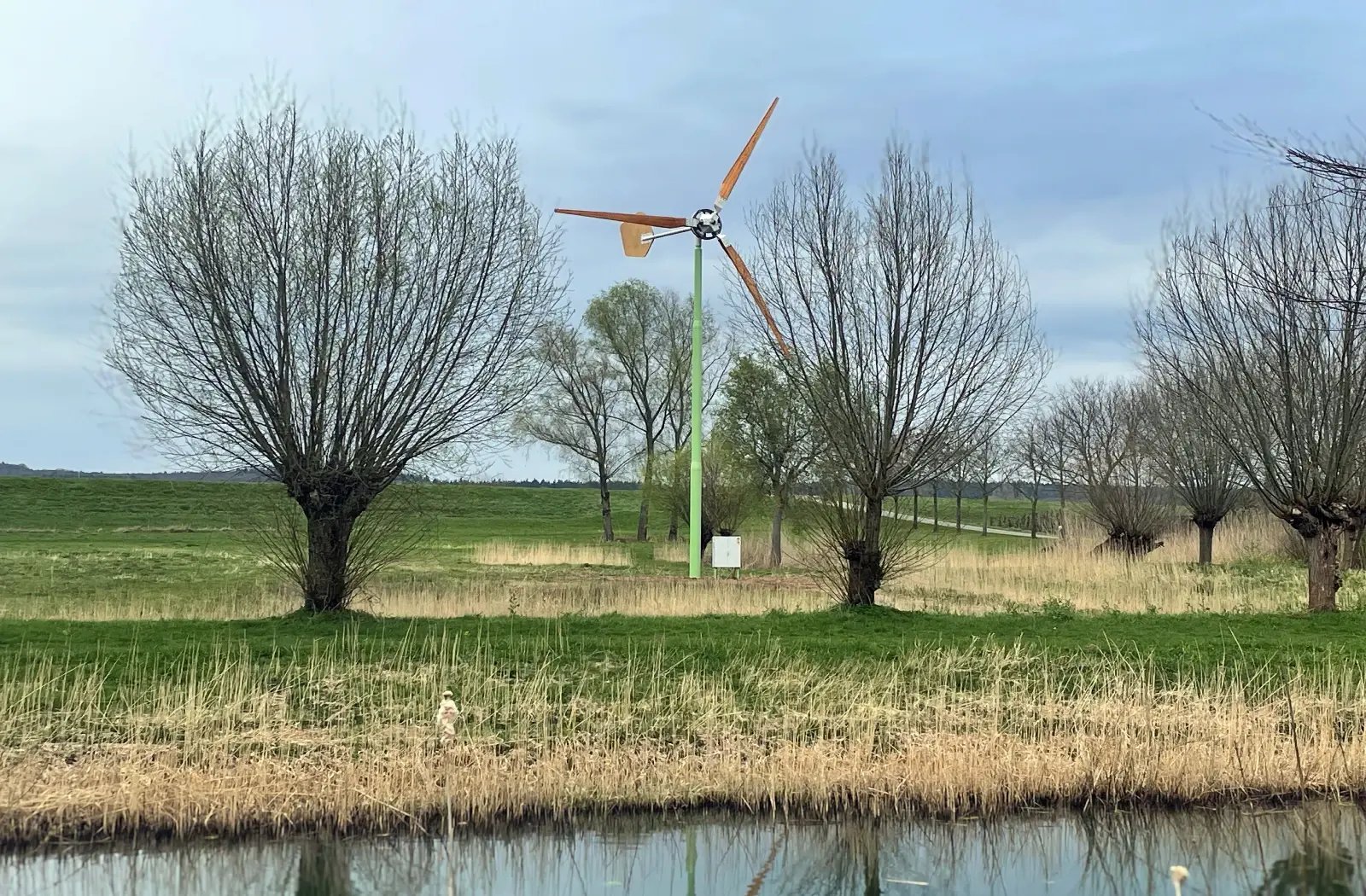
Huis te Wiel is a historic setting with a former castle site, a monumental farmhouse, surrounding land, and neighbouring homes. The turbine needed to work technically, fit carefully into the landscape, and support the estate’s wider energy plan.
Ecoways supported the project beyond the turbine itself.
From the first website enquiry in July 2025, the team helped guide the Pier and the community through the practical steps needed to turn the idea into a working installation, including:
project planning
documentation
permit requirements
approval dependencies
implementation decisions
That support helped keep the project moving when the process became more complex than a standard purchase.
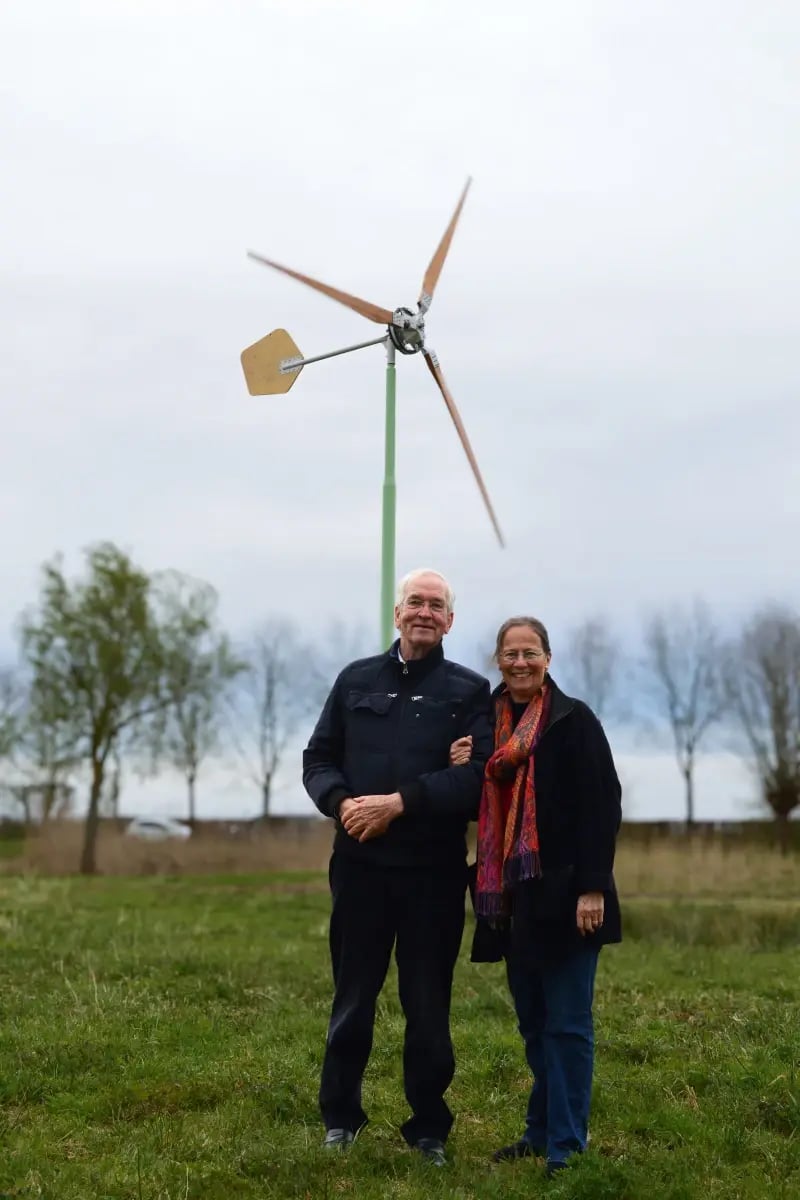
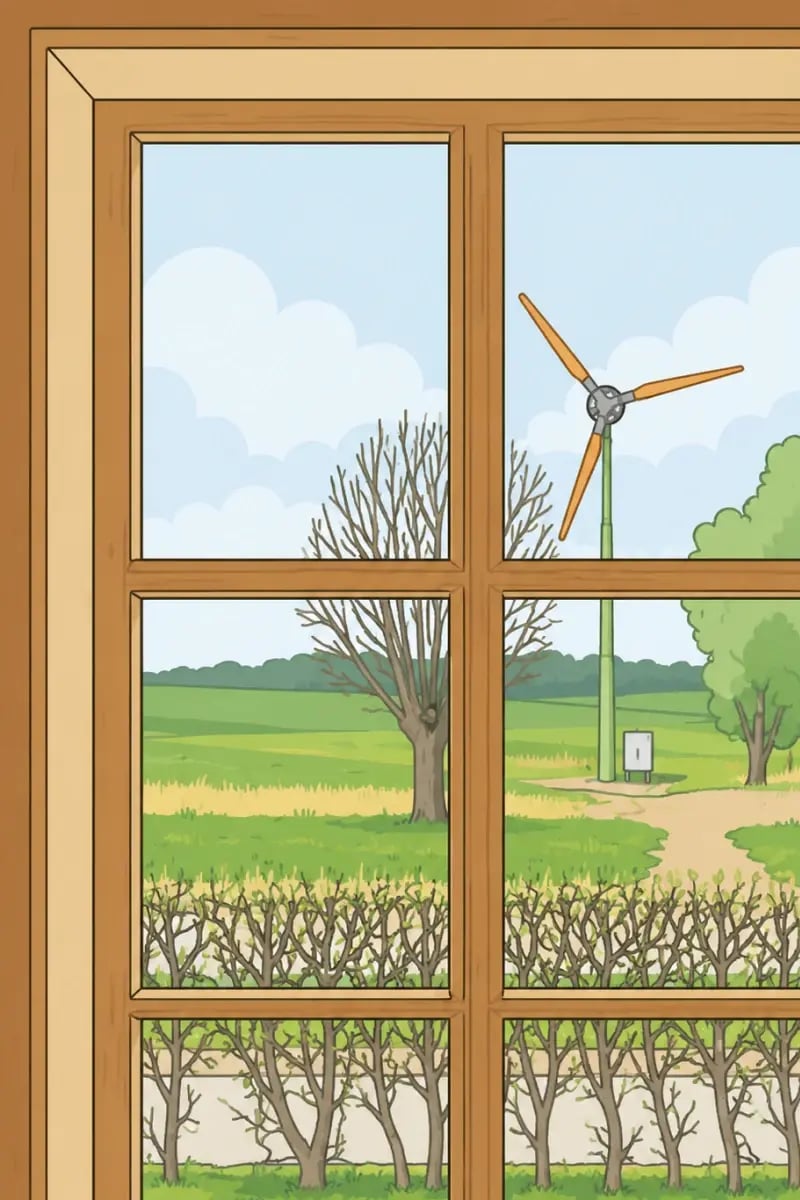
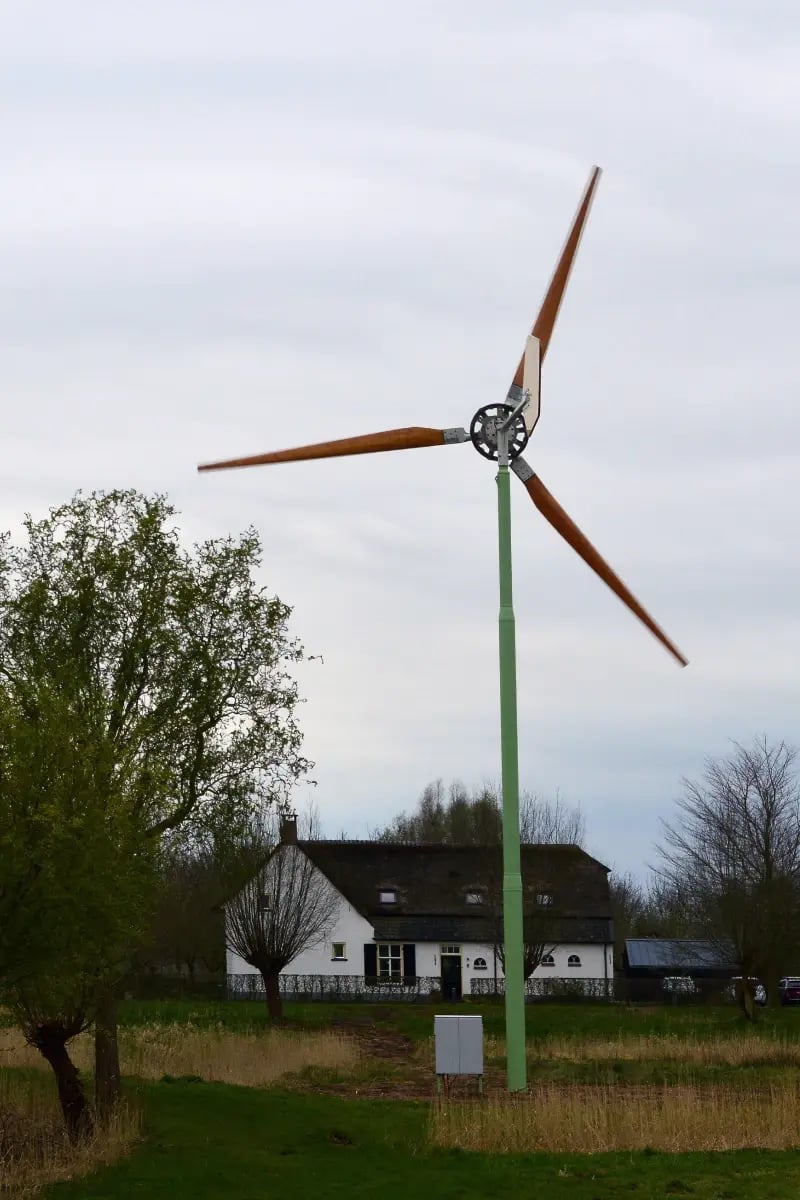
An agreement was signed in November 2025, and by March 2026 the mill was live and producing energy.
The project also created a foundation for the next phase.
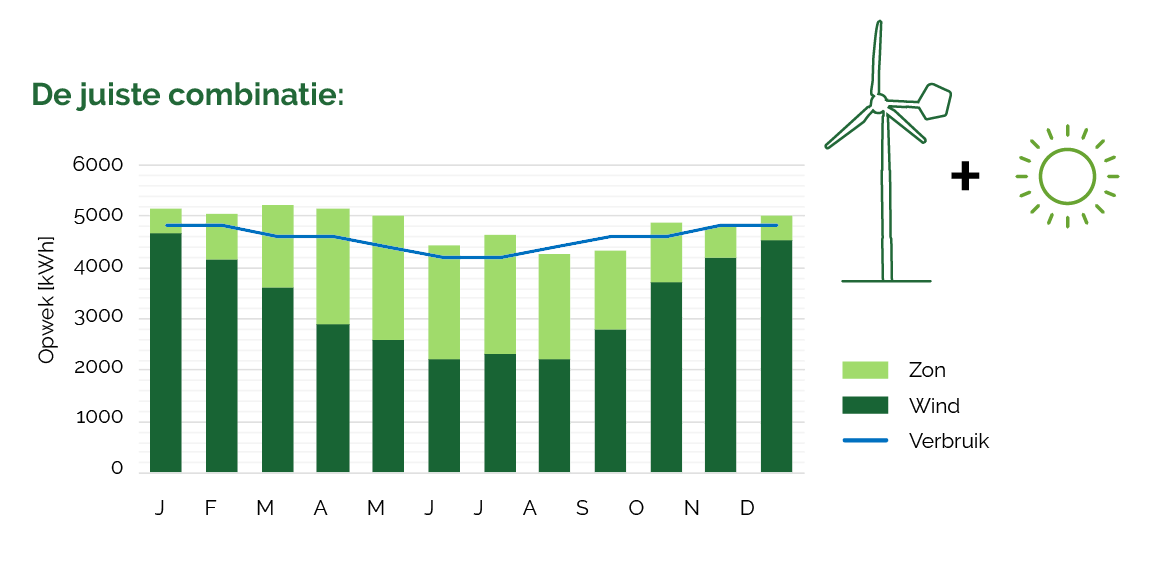
Pier and the community are exploring how locally generated electricity could potentially be used more flexibly across the wider site, including future battery storage and possible energy sharing between multiple households.
