Ecoways helps businesses integrate EV charging into their wider energy system, making better use of renewable energy while preparing for future growth.
EV charging is becoming part of everyday business energy use.
Whether you are installing a few workplace chargers or preparing for a growing fleet, the right setup starts with understanding your vehicles, energy demand, grid connection, and future plans.
Without planning, charging can increase peak demand, put pressure on your grid connection, and limit future expansion.
A well-designed charging setup helps your business:
EV charging can be a valuable addition for businesses looking to support employees, customers, visitors, or operational vehicles.
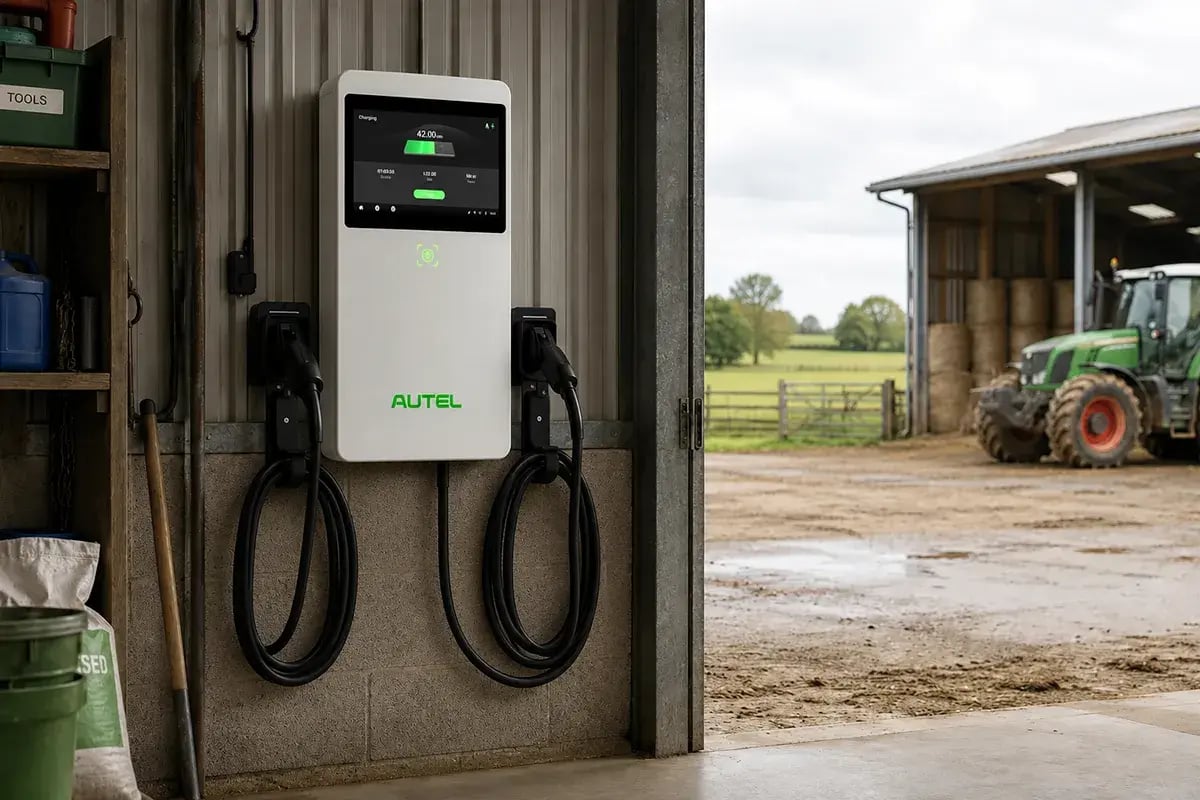
Support electric farm vehicles and prepare for future electrification.
Provide convenient charging for employees and visitors.
Offer charging facilities for guests and customers.
Support growing charging requirements across commercial fleets.
Every site is different. Ecoways assesses your vehicle usage, charging requirements, energy demand, and available infrastructure to determine the right charging approach.
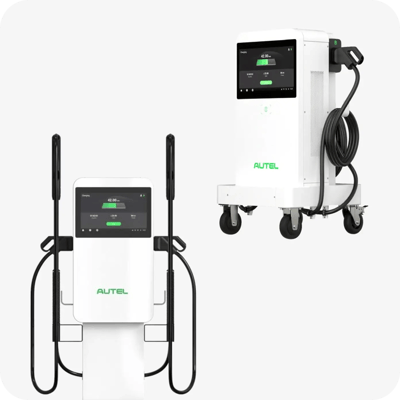
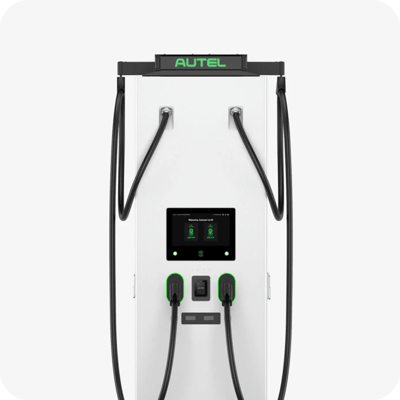
Ecoways works with Nidec charging systems, offering flexible solutions for everything from workplace charging to high-power fleet charging.

Fast charging in a compact footprint

Charging where and when you need it

Fast charging for larger sites
EV charging is rarely a standalone decision.
It works best as part of a wider energy strategy that considers how your business generates, stores, and uses energy.
Ecoways looks at your charging demand, vehicle usage, solar generation, wind energy, battery storage opportunities, grid connection, and future growth plans to identify the right charging solution for your site.
And if you need a complete energy system, we can help with that too. With years of experience in wind energy, solar panels, battery storage, and smart energy management, Ecoways can design a solution that brings your energy technologies together around the way your business actually works.

Yes. EV charging infrastructure can be connected to renewable energy systems and managed through an Energy Management System (EMS).
Not always. However, battery storage can help reduce charging peaks, improve self-consumption, and support sites with limited grid capacity.
This depends on the number of vehicles, how often they are used, and how quickly they need to be charged.
Not necessarily. Smart charging, battery storage, and energy management can help manage charging demand effectively.
Yes. Most charging systems can be designed with future growth in mind, making it easier to add charging capacity as your requirements change.
Talk to the Ecoways team about your vehicles, charging requirements, and energy opportunities today!
©2026 Ecoways. All rights reserved. Privacy Policy. Terms & Conditions. Website by NoNonsense Studio.